 Eski Pano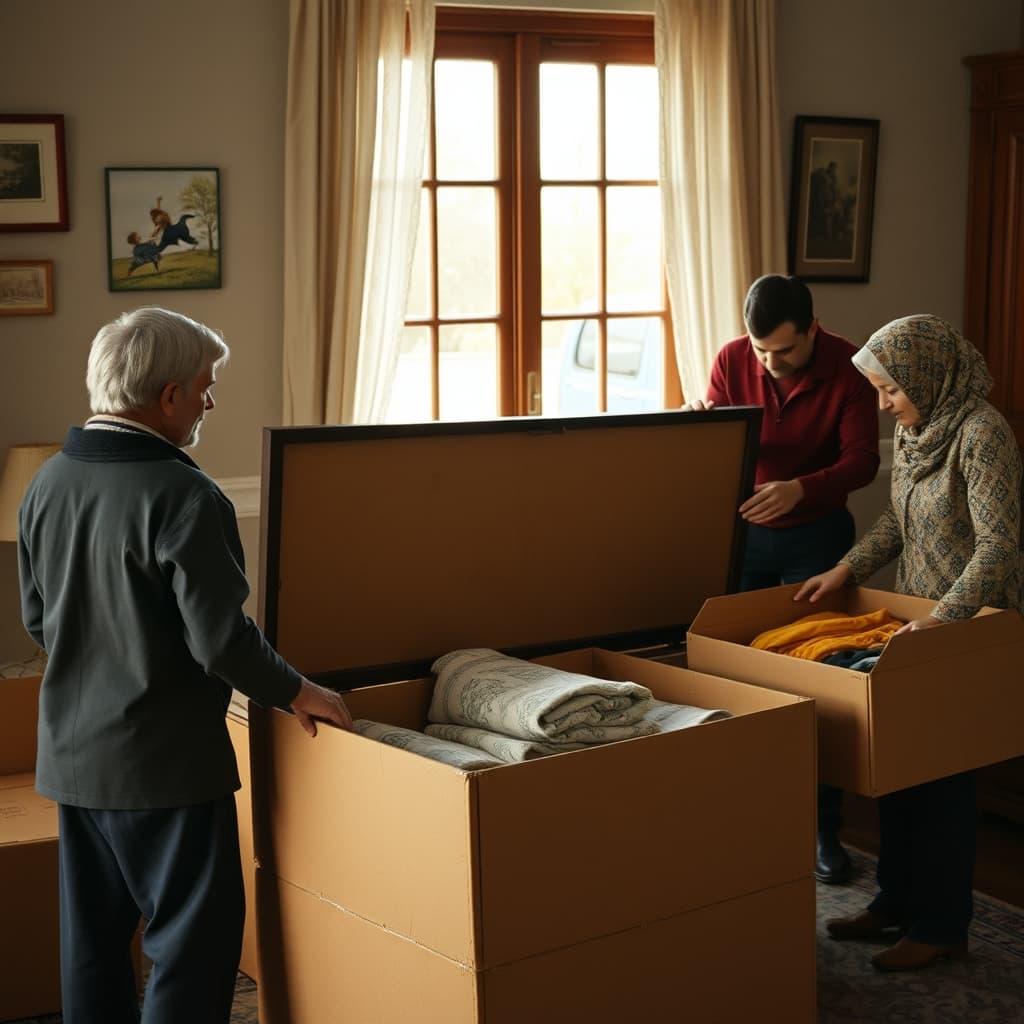
A quilt chest may have accompanied a household through several moves, but survival is not proof that the next journey will be harmless. The chest and its contents respond differently to weight, vibration, humidity, pests, and handling. Treating the filled object as one sturdy box can damage hinges, split joints, crush textiles, spread infestation, and erase the arrangement that gave the collection meaning.
Chests vary by timber, joinery, paint, veneer, metalwork, lining, size, and later repair. Contents may include wool quilts, cotton covers, embroidery, lace, clothing, documents, sachets, or unrelated household goods. Construction details, family inventories, photographs, labels, repair notes, textile fibres, and condition reports should inform a moving plan.
Inventory Comes before Packing
Photograph the exterior, interior, hinges, feet, handles, lock, lining, existing cracks, stains, and the order of contents. Assign reversible identifiers to items without sticking labels to historic surfaces. Record dimensions and weight. Sensitive family documents or valuables need separate custody, access rules, and insurance rather than being hidden beneath bedding.
Inspect for live insects, frass, webbing, holes, larvae, musty odour, visible mould, damp, and rodent contamination. Do not shake or carry a suspect textile through the building. Isolate the area, avoid household pesticide sprays, and seek a qualified conservator or pest professional. Mould can affect health, so protective decisions should follow specialist guidance.
Contents and Furniture Usually Travel Better Separately
Removing textiles reduces weight and prevents crushing, but the original arrangement must be documented first. Each item should receive material-appropriate, clean, breathable support without tight folds or direct contact with newsprint, coloured tissue, fragranced products, or unstable plastics. Heavy pieces belong beneath lighter ones in their own supported containers.
The empty chest may still have loose lids, keys, drawers, feet, handles, or decorative elements. Locks should not carry lifting force, and tape should not touch finished wood or metal. Padded wrapping, corner protection, a rigid base, and secure but uncompressed restraint reduce impact. A furniture conservator can advise when paint, veneer, or joints are unstable.
The Route Is Part of the Object's Safety
Measure doors, stairs, lifts, turns, and vehicle openings before lifting. Clear the route, protect floors, use enough trained people and suitable equipment, and agree on commands. The chest should not be dragged by feet or lifted by decorative handles. Manual-handling limits protect workers as well as the object.
A clean enclosed vehicle needs stable tie-down points and protection from rain, exhaust, direct sun, and abrupt temperature changes. The chest should not share space with food, fuel, chemicals, wet materials, or pest-infested furniture. Transport duration, stops, weather, custody, and condition on arrival belong in the record.
At the destination, inspect before introducing objects to the main collection. A planned quarantine area can reveal pests or damp without spreading them. Allow safe acclimatisation where necessary, then unpack with the inventory and compare condition photographs. Do not immediately fill a chest placed against a cold wall, beneath a pipe, or on a flood-prone floor.
A Digital Nostalgia Archive can connect the quilt chest with makers, owners, moves, contents, arrangement photographs, materials, condition, pest findings, packing, carriers, route, insurance, quarantine, repairs, and final location. Interest in the chest returns because it makes domestic continuity visible. Protecting that continuity requires documenting change and sometimes separating furniture from textiles so both can survive the journey.